Nutrition Lead Emma White (ANutr), MSc Human Nutrition is passionate about how food science applies to the human body, and how the nutrients in what we eat affect us and ultimately have an impact on our health.
Public Health England (PHE) recommends that we all consider taking a 10 microgram Vitamin D supplement throughout the autumn and winter months (October to March). Considering for years we've been confident that we can get all the nutrients we need by following a balanced diet and getting enough sunshine – these new guidelines are interesting! So let's delve further...
What is Vitamin D and why do we need it?
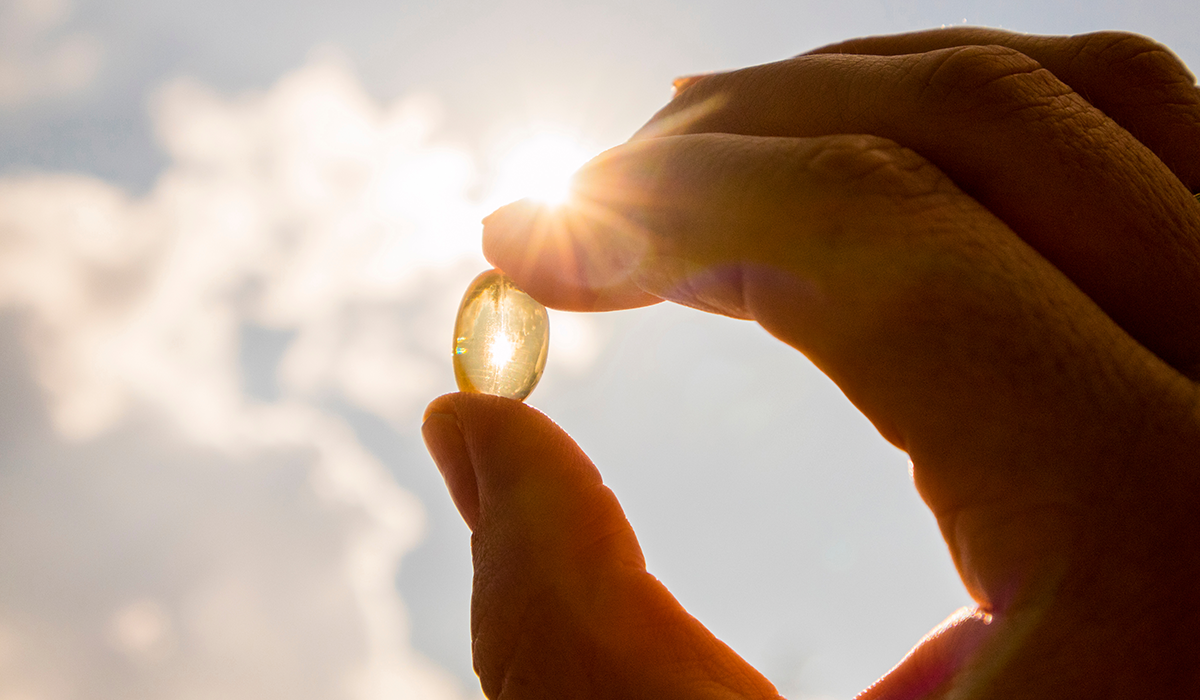
Vitamin D is actually a hormone, not a vitamin, which we synthesise ourselves when our skin is exposed to sunlight. For years we've known that it plays a very important role in controlling how much calcium and phosphate we absorb into our bones – so is important for muscoskeletal health. However in more recent years, research has also identified a potential role for vitamin D in the prevention of certain cancers, type 1 diabetes, cardiovascular disease, rheumatoid arthritis and inflammatory bowel disease. So it is a very important vitamin (or hormone!), which we need to avoid being deficient in.
Why the change in guidelines?
Up until now, the advice we were given regarding vitamin D was that, for most people, providing we had some sun exposure throughout the summer months (April to September) and a balanced diet, we should be making and getting all the vitamin D we needed. Even to last us through the autumn and winter months, when we can't make our own (because the sun's rays aren't strong enough). This is because vitamin D is a fat soluble vitamin which can be stored in our body. Some groups, including the elderly and the very young were advised to use supplements but the majority of us were thought to be OK. However following this latest review, we're now all being advised to consider taking a supplement during the autumn and winter months (October to March).
So why is this? With emerging evidence on other potential roles for vitamin D, and also our ever growing advice to cover up in the sun and always wear a high factor sun cream, there are concerns we may not be making the amount of vitamin D we need. While wearing a high factor sun cream is definitely the best approach for protecting our skin from harmful rays, it does also negatively affect our vitamin D production as sun cream actually inhibits the production of vitamin D in our skin. The result being that we may not be making the vitamin D we need to last us all year long.

Why can't I just eat more Vitamin D rich foods?
So why are PHE advising we take a supplement rather than just adjusting our diets accordingly? Well, it's always been the case that our primary source of vitamin D is through the action of sunlight on our skin. Although you can get some vitamin D from foods, this has never been considered a significant source.
The reason for this is because vitamin D is only found in a very small number of foods – and the one's that do contain it, don't have large amounts. There is also some doubt over how well vitamin D from food is absorbed into the body. So getting what we need from our food each day would be tricky.
The following foods are some of the best dietary sources of vitamin D, with how much vitamin D they approximately contain:
- 1 medium egg – 1.5 micrograms
- 100g salmon fillet, raw – 8 micrograms
- 100g cooked liver – 1 microgram
- 10g fortified margarine – 0.6 micrograms
So why can't more foods just be fortified?
So you may be thinking, why can't we just fortify more foods with vitamin D rather than taking a supplement. The issue here is that fortification with vitamin D is actually very difficult to do because it is a fat soluble vitamin. As it has to be carried in fat it can be tricky to add it to many foods. Also many of the fortification mixes are based around fish oils, which is not a very pleasant aroma to try and get into dry foods! So although there may be some scope to add more to foods, there is a question over taste and acceptability. There are also such strict guidelines on how much can be added that this would also be a barrier.

How can I produce more Vitamin D through the action of sunlight?
So now we know that sunlight is our best source – how can you make sure you get enough? Contrary to popular belief, you don't need to be outside in the sunshine for very long to make vitamin D. Just 10 minutes of sunlight (without any sunscreen), between 11am and 3pm, on your bare forearms every day during the spring/summer months, should be enough to make sufficient Vitamin D. Hanging out the washing, or watering the garden might just be long enough but always be aware of the strength of the sun, and how sensitive your skin is to it to ensure you don't burn or damage your skin in any way.
What does this mean for me?
Based on the recent review of evidence, we should all consider taking a 10 microgram vitamin D supplement during the autumn/winter months. Some individuals may also benefit from taking one all year round if they do not get much sun exposure during the spring/summer months, but always check with your doctor if you have any concerns here.