Can food really boost your immune system?

From ‘superfoods’ to expensive supplements, we’re constantly told there are quick fixes to keep illness at bay. But is there really a way to boost your immune system, or is the answer more about balance and consistency?
To clear things up, we asked Dr Ian Campbell to share his expert take on what really supports the immune system, and what’s just clever marketing.
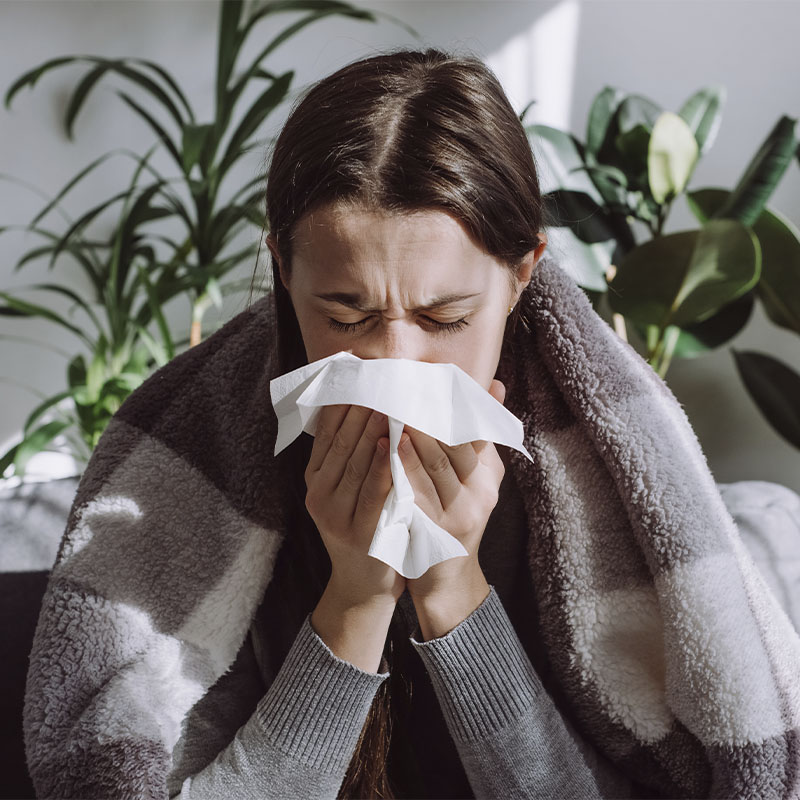
Can you really “boost” the immune system?
“The idea of ‘boosting’ immunity is a myth,” says Dr Campbell. “There’s no evidence that specific foods or supplements can make the immune system work above its natural capacity. What we can do is support it – and a balanced diet rich in vitamins, minerals, and phytochemicals plays a key role in that.”
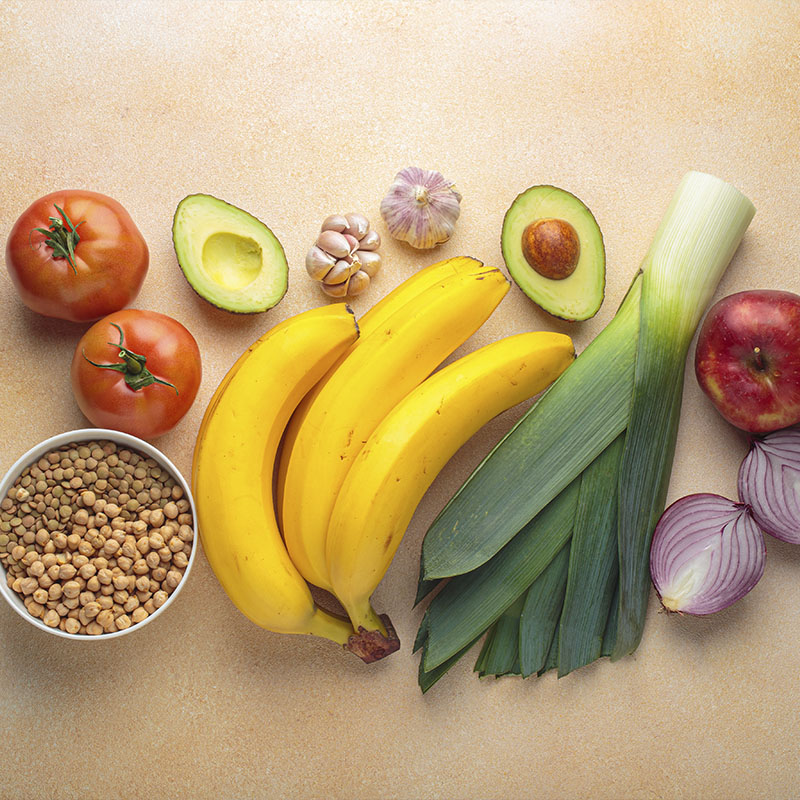
Phytochemicals are naturally occurring compounds found in fruits and vegetables that may help combat inflammation. “Different colours in fruit and veg often reflect different phytochemicals, so the more colourful your diet, the greater the variety of beneficial compounds you’re getting,” Dr Campbell explains. “The evidence isn’t conclusive, but eating at least five portions a day is proven to benefit overall health – and there’s nothing to lose.”
Which nutrients matter most?
Several vitamins and minerals are essential for a healthy immune response. “Vitamins A, B6, B12 and D are particularly important,” says Dr Campbell. “That’s why vitamin D supplements are advised for people with little sun exposure in the winter. For some people, a general multi-vitamin can also be a useful safety net to ensure adequate intake, although most needs can be met through a healthy, varied diet. Iron, copper, folate, zinc, and selenium also play their part, and you can get enough of these through a varied diet.”
The gut also plays a crucial role in immunity. “Prebiotic foods – such as vegetables, wholegrains, beans and pulses – feed the good bacteria in your gut. Probiotic foods like live yogurt and some cheeses can help encourage healthy microbes to grow too. A diverse microbiome is increasingly recognised as central to immune health.”
What about lifestyle habits?
Dr Campbell explains that diet is only one part of the picture. “Lifestyle choices have a big impact,” he says. “Chronic stress, lack of sleep, heavy alcohol intake, or extreme exercise routines can all lower immunity. Conversely, getting enough rest, staying hydrated, exercising regularly and managing stress can improve both how you feel and how well your immune system functions.”
Our processed modern diets can also play a negative role. “Ultra-processed foods, as well as those that are high in sugar and unhealthy fats, can harm the gut microbiome, which is closely tied to immune function.”
Does being in a calorie deficit affect immunity?
It depends on how you do it. “A modest calorie deficit, like the one most people follow for gradual weight loss, won’t impair the immune response,” says Dr Campbell. “But very restrictive diets can. Even smaller deficits can be a problem if your diet lacks nutrient-rich foods over time.”
So what’s the solution? “Think long-term,” Dr Campbell advises. “Keep your calorie deficit moderate, stay active, and above all, make sure your diet is balanced, colourful, and nutrient-rich. That way, you can lose weight while still supporting your immune system.”

Final thoughts
“Good immunity is essential to a healthy life,” says Dr Campbell. “There’s no quick fix and no such thing as a true ‘immune system booster’. But by eating a varied, nutrient-rich diet, maintaining a healthy weight, moving regularly, and looking after your sleep and stress, you’ll be giving your body the best chance to stay well.”
Expert opinion
“There are no foods or supplements that ‘boost’ immunity – but there’s plenty we can do to support it. Aim for a varied, colourful diet, prioritise sleep, manage stress, limit alcohol and avoid ultra-processed foods. The basics really do work.”
Dr Campbell’s 5 tips for supporting immune health
- Eat a colourful, varied diet with plenty of fruits, vegetables, and whole grains.
- Take a vitamin D supplement in winter if you have little sun exposure.
- Prioritise sleep and manage stress where possible.
- Stay active with regular, moderate exercise.
- Limit alcohol and ultra-processed foods.

For over 30 years, Dr Campbell has passionately promoted a holistic approach to weight management. He was the show doctor on three seasons of ITV’s Biggest Loser and works closely with Nutracheck to help our members live healthier, happier lives.
About Nutracheck
Nutracheck is a top-rated food diary App and website. We track calories and 7 key nutrients - carbs, sugar, fibre, protein, fat, saturated fat and salt. Our mission is to give our members insight into what they are eating to empower them to make more informed food choices. We've been helping people achieve their weight management goals since 2005.


WINNER Help Scout's 2021 Customer Service Awards
WINNER App Growth Awards 2020 - Fastest Growing App
WINNER UK IT Industry Awards 2018 - Mobile App of the Year
WINNER UK App Awards 2018 - Health & Fitness App of the Year
WINNER UK App Awards 2018 - Food & Drink App of the Year
Download the app


Follow us


