

Beth Furness (ANutr), a qualified nutritionist with a BSc in Nutrition and Health, is passionate about evidence-based nutrition and helping people build a balanced, sustainable relationship with food.
Wondering how to stay nourished while using GLP-1 injections? Nutritionist Beth Furness explains why a simple food-tracking habit can make all the difference
Weight-loss injections like Mounjaro and Wegovy have become increasingly common as they can help reduce appetite to support weight loss. In my work supporting Nutracheck members, I’ve noticed some are using these medications alongside meal tracking, and one thing is clear: keeping a food diary can be an incredibly helpful tool on this journey.
After reviewing the research on GLP-1 weight-loss injections, I’m sharing practical tips on why tracking your food intake can make a real difference. Helping you stay on top of nutrition, understand your appetite changes, and build habits that support long-term success.
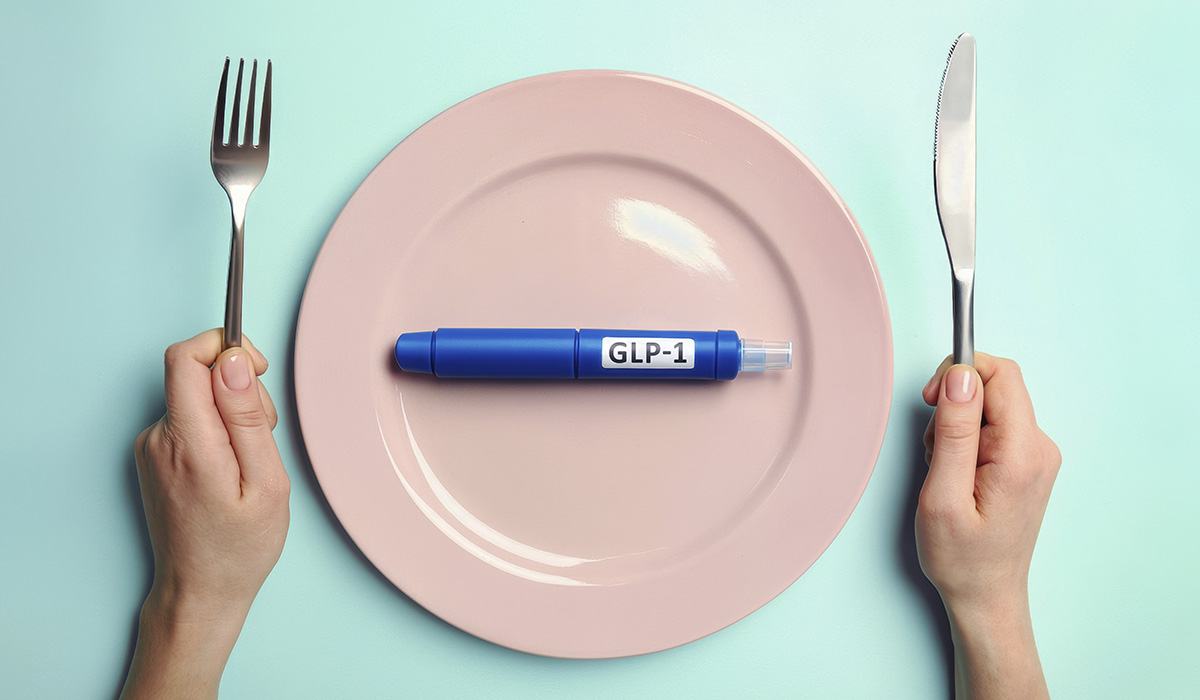
How do weight-loss injections work?
GLP-1 weight-loss injections work by mimicking a natural hormone called glucagon-like peptide-1, which the gut releases after we eat. This hormone plays a vital role in controlling appetite, digestion, and blood sugar, and the medication strengthens these signals.
One of the main effects is a noticeable reduction in hunger. GLP-1 acts on the areas of the brain that regulate appetite, so people simply don’t feel as driven to eat. Some people describe it as 'dampening down the food noise'. Studies also show that cravings become less frequent, and the urge to snack tends to drop. At the same time, the medication slows down stomach emptying. When food takes longer to leave the stomach, fullness lasts much longer, even after relatively small meals.
GLP-1 also influences the brain’s reward pathways, which can make highly palatable foods, such as those high in sugar or saturated fat, feel less tempting than they once did.
Together, these effects lead to a lower overall food intake without the sense of restriction. However, because appetite cues become much quieter, it’s easy to eat less than your body actually needs or miss out on important nutrients. This is why having some structure to your intake can be particularly helpful while using these medications.
Common challenges when taking injections
Eating too little
Because these medications naturally reduce appetite and slow digestion, it can become surprisingly easy to eat much less than your body needs. And while that might sound like a shortcut to faster results, regularly under-eating can actually work against you. When your body doesn’t get enough energy, your metabolism can slow down to conserve fuel, making long-term progress harder to maintain. It also raises the risk of nutrient shortfalls, which can affect everything from energy levels to overall well-being.
Not getting enough protein
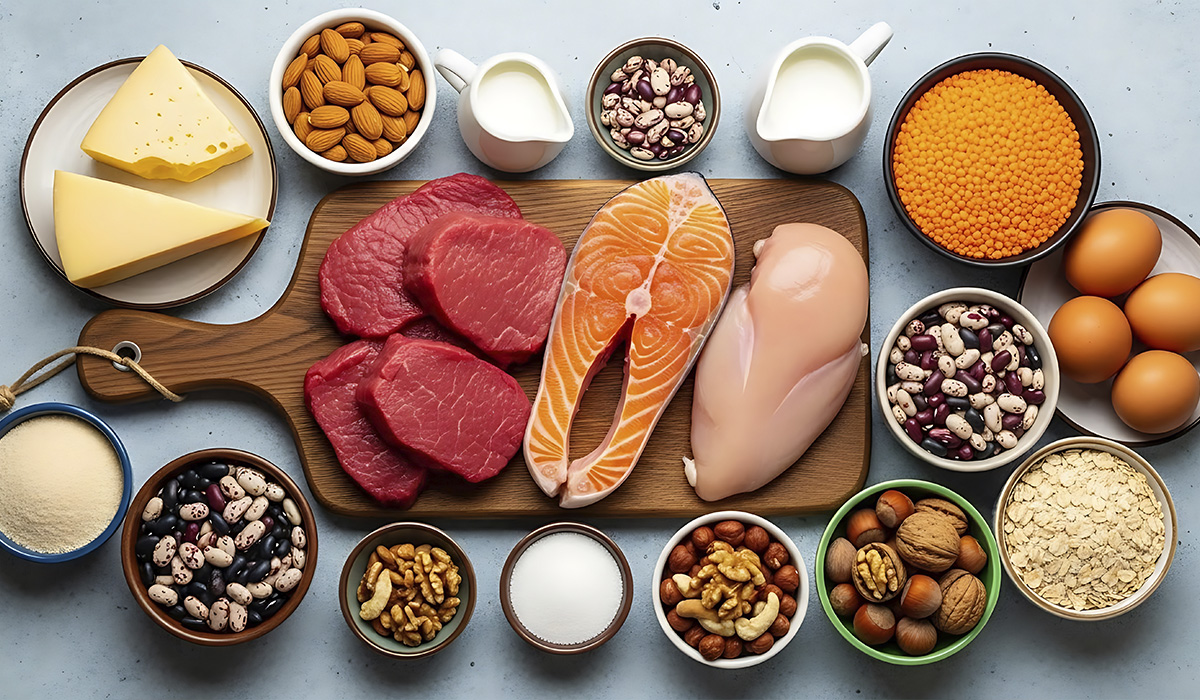
As meal sizes get smaller, it’s easy to lose track of the balance of nutrients in your diet. Protein is a key nutrient because it helps preserve lean muscle, which is especially important during weight loss, as we tend to lose muscle mass as well as fat tissue when we lose weight quickly. Even modest reductions in muscle mass can affect strength, metabolism, and everyday mobility – factors that become increasingly important as we get older. Beyond protein, maintaining a balanced intake of other key nutrients is vital for overall health and well-being and for ensuring lasting healthy habits are adopted.
Poor overall nutrition
When appetite drops, it’s natural to reach for foods that feel easiest or most convenient. For some, this might mean more options that are higher in saturated fat, salt, or sugar. While these can fit into a balanced diet in moderation, relying on them too often can make it harder to get enough fibre, vitamins, minerals, and healthy fats – especially when your overall intake is reduced. Over time, this can leave you feeling less energetic and may affect digestion and overall well-being.
Not understanding your eating patterns
Even though injections can significantly reduce hunger, they don’t necessarily take away the role of emotions, routines, or habits in our eating. Many people still find themselves reaching for food out of stress, tiredness, boredom, or social situations, even when they aren’t physically hungry. Without paying attention, these patterns can easily go unnoticed, and small, unconscious choices can add up over time. Learning about healthy balance and keeping track of your food cues while you’re using GLP-1 medication can really help you stick to routines once you stop.
Why tracking your food is an essential tool
When injections affect appetite, how often you eat, and what kinds of foods you gravitate toward, it can be harder than usual to know whether you’re giving your body what it truly needs. Food tracking is about visibility and consistency, and being aware of what you are eating and drinking. It helps you stay on top of your intake so you can make choices that support healthy weight loss and overall health.
Here’s how keeping a food diary can make a real difference.
Helps you maintain sufficient intake – even when appetite is low
On days when hunger is lower than usual (or feels different), it’s easy to eat less than your body needs without realising it. Tracking what you eat can help you check in: are you getting enough energy, enough food, and enough variety throughout the day? Nutracheck can provide a personalised calorie target for safe weight loss, giving a clear picture of your intake and helping ensure your meals support daily activity and overall wellbeing, even when appetite is reduced.
This becomes especially useful when weight-loss injections are dulling appetite or shrinking portion sizes. Rather than guessing, you have concrete data to guide you.
Helps maintain a healthy nutrient balance
When meals are smaller or less frequent, there’s a tendency to rely on what feels easiest or most readily available - which might not always be the most nutrient-dense option. Over time, this can mean less fibre, fewer vitamins or minerals, and a shift toward more high-fat, high-sugar convenience foods.
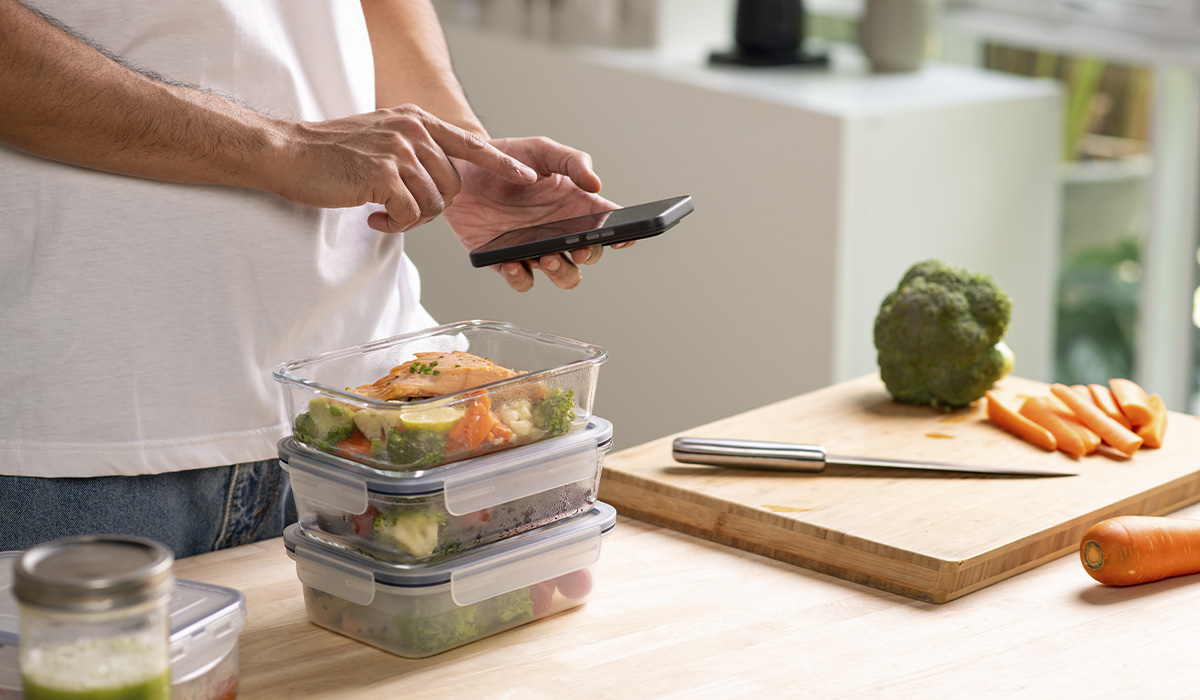
By noting everything you eat throughout the day, not just main meals, you get a better sense of how balanced your diet really is. It can help highlight patterns, such as heavier or lighter meals at certain times, or a drop in fruit, vegetable, or fibre intake. Seeing these trends makes it easier to make small adjustments day by day, helping you maintain a varied, nutrient-rich diet without feeling pressured or restricted.
Helps identify and manage side effects
Weight-loss injections such as Mounjaro or Wegovy, which work by suppressing appetite and slowing digestion, can cause gastrointestinal side effects in users. Common issues include nausea, vomiting, constipation, diarrhoea and abdominal discomfort.
Tracking what you eat and when, paired with notes on how you feel after each meal, can help you detect patterns. Maybe certain foods trigger nausea, or meals at a particular time lead to discomfort. With a diary, you may spot which meals sit better, or how hydration and spacing meals out help reduce symptoms. Also, tracking fluid intake becomes more important, as dehydration can make digestive issues worse or contribute to fatigue and sluggishness.
In many cases, these side effects are more frequent during the early phases of treatment or when doses are adjusted upward. Over time, with careful tracking, you can learn what works for your body and avoid or minimise triggers. This gives you control and helps you stay comfortable throughout your weight-loss injection journey.
Boosts long-term success
Once treatment stops, appetite usually returns to normal, which is why some people regain weight quickly. Having a history of tracked meals gives you a clear picture of how your hunger and portions are changing, making it easier to transition to a sustainable routine and maintain your results. You can continue using a tracker to stay mindful of your intake, helping you either maintain your weight or continue losing steadily, long after finishing weight-loss injections.

Top tips for tracking success
- Aim for consistent tracking to get an overall picture of your intake.
- Track as you go to help you know when an extra meal or snack is needed and how you’re doing with your nutrient balance throughout the day.
- Don’t forget about hydration – track fluid intake and ensure you’re drinking small amounts of fluid regularly throughout the day.
- Note down any side effects to help with spotting patterns or trigger foods.
While weight-loss injections can be a helpful part of your journey, lasting results are built on habits, balanced eating, and consistency. Keeping track of your meals offers a simple way to stay aware of your nutrition as your appetite and routines change over time. It gives you insight into your eating patterns, a sense of control over your choices, and confidence that you’re supporting your body in a sustainable, healthy way.