

Emily Balmbra (ANutr), a qualified nutritionist with an MSci & BSc in Nutrition, is passionate about the link between nutrition and performance, helping people turn evidence-based advice into practical, sustainable habits.
Ultra-processed foods (UPFs) are everywhere right now – in headlines, on social media, and in everyday conversations about health and weight loss. But despite all the attention, many people still feel they have more questions than answers. What exactly are UPFs? Should we avoid them at all costs? Do they cause weight gain?
To cut through the noise, let’s look at what the research actually says, and what really matters when it comes to weight loss.
What are ultra-processed foods?
While definitions vary slightly, most research uses the NOVA classification system. This system classifies foods based on their level of processing rather than on their energy or nutrient content. It includes four classified groups:
- Group 1: Unprocessed or minimally processed foods
- Group 2: Processed culinary ingredients
- Group 3: Processed foods
- Group 4: Ultra-processed Foods
According to the NOVA system, ultra-processed foods are industrial food products made mostly from ingredients extracted from foods (such as oils, sugars and starches) or created in laboratories (such as flavourings, colourings and additives), with little intact whole food remaining.
Put simply, this means that UPFs are typically highly processed food products containing sweeteners, emulsifiers, preservatives, and other ingredients we wouldn’t usually find in our kitchens. They are also often produced using industrial processes. Compared to other, less processed foods, these items are designed to last longer on the shelves and are carefully crafted in their colour, texture and palatability to make them particularly moreish!
Why ultra-processed foods can be easy to overeat
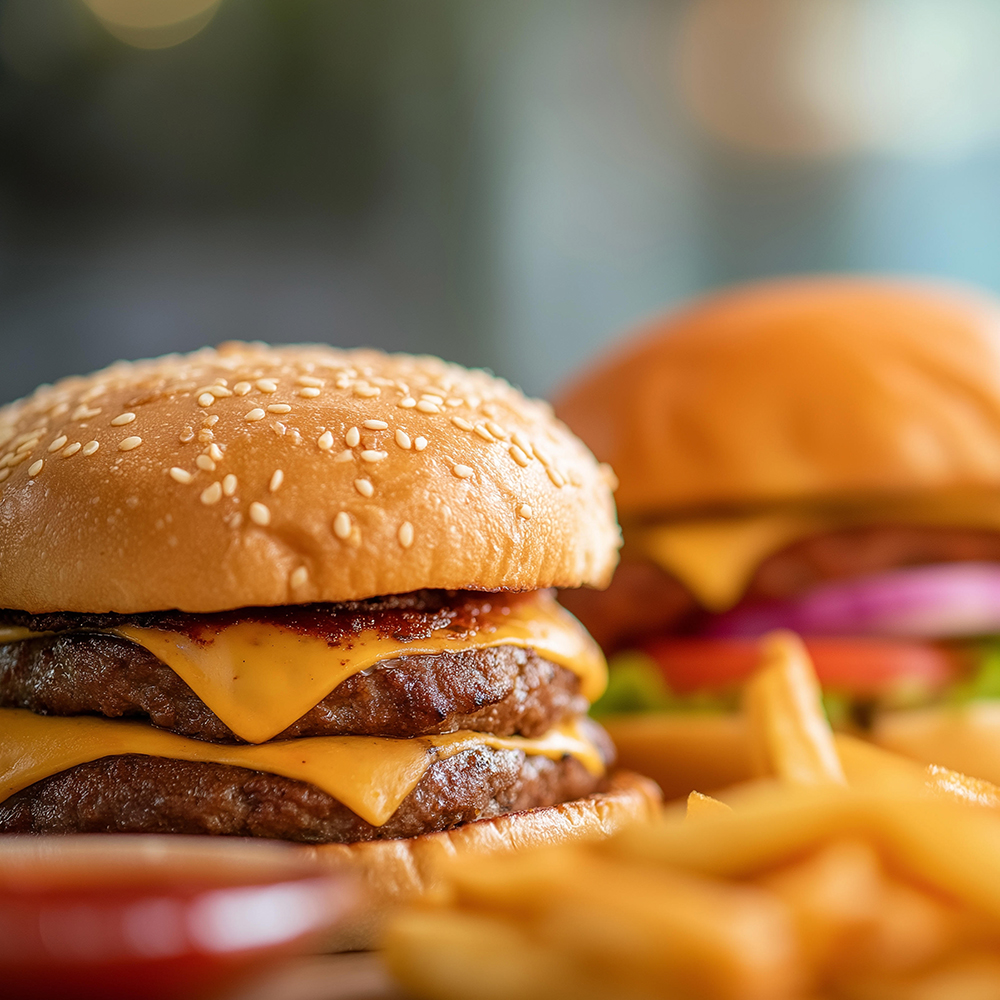
While not all UPFs are created equal, typically these foods tend to be energy-dense – meaning they contain quite a lot of calories per gram. Often, these foods are produced with the goal of making them very easy to eat, meaning they taste great, have a texture that makes them quick to eat, and are often high in the most ‘tasty’ nutrients (sugar, saturated fat and salt). All these qualities can make it easier to overconsume these foods, since they can offer instant gratification but little lasting energy.
UPFs are also generally very convenient, making them a favoured option among many of us who feel overstretched and time-shy. These food products are usually ready to eat or require minimal prep, making them a go-to when busy or simply in need of a quick pick-me-up.
Do UPFs cause weight gain? What the research says
In one of the most well-controlled studies to date, participants ate around 500 extra calories per day when following an ultra-processed diet, even though the meals were matched for nutrients such as protein, fat and fibre. While this was a relatively small study and more research is needed to fully substantiate these claims about UPFs, this research does highlight a potential link between UPF consumption and weight gain.
It’s important to note, however, that the idea that UPFs directly cause weight gain is a little off the mark. Essentially, these foods can be typically energy-dense and low in nutrients that promote satiety, such as protein and fibre, meaning they don’t keep you very full. Because they don’t keep us full for very long, it can be easier to overconsume them. It would therefore seem that the theory that UPFs make you gain weight may appear, at face value, to be correct. However, it is not the foods themselves that directly cause weight gain, but their impact on overall calorie intake, which can potentially lead you to consume more calories than you need.
Beyond weight, another important thing to consider is the impact UPFs have on the overall quality of your diet. Diets high in UPFs are generally lower in vitamins, minerals, protein and fibre. This is because consuming these foods risks displacing more nutrient-dense choices, such as fruits, vegetables, whole grains, legumes, and minimally processed protein sources, that our bodies need to function optimally. Over time, a lower intake of these nutrient-dense foods can have broader health implications, including an increased risk of certain chronic conditions. Although UPFs may not be a direct cause of certain illnesses (research in this area is still emerging), their influence on overall dietary patterns is one of the biggest concerns for health.
Why is messaging around UPFs often confusing?
I think most of us can agree that the messaging around UPFs in the media and online has been confusing of late, with many people believing they should strive to never eat a UPF again through fears of seriously harming their health. The truth? This level of fear is unnecessary and unfounded. Unfortunately, due to the rather hazy classification of UPFs and the fact that those that actually contain beneficial ingredients are rarely discussed, messaging around UPFs has caused widespread fear and confusion. For example, fortified breakfast cereals such as Weetabix are technically an UPF, but these are high in fibre and fortified with beneficial nutrients such as iron and vitamin D. For many households, breakfast options like this provide a convenient and affordable way to get some beneficial nutrients into their family’s diet, and should not be feared as part of a varied and balanced diet.
What’s the best approach to take towards UPFs?
As is always the case when we talk about what constitutes a ‘healthy’ diet, it’s all about striking the right balance. A nutrient-rich, well-balanced diet can absolutely include UPFs.
For many people, completely eliminating UPFs is unrealistic; they are convenient, affordable and long-lasting. All of which are qualities that go hand in hand with fast-paced lifestyles, or for those who have a limited ability to cook. Typically, foods that should be limited are those high in saturated fat, salt, and sugar (HFSS). These foods are most often easier to overconsume, more energy-dense and contain fewer nutrients such as fibre and protein. Looking out for UPFs that contain more beneficial nutrients, such as fibre and protein, or ingredients to support gut health, for example, is a good place to start.
What to look out for on food labels
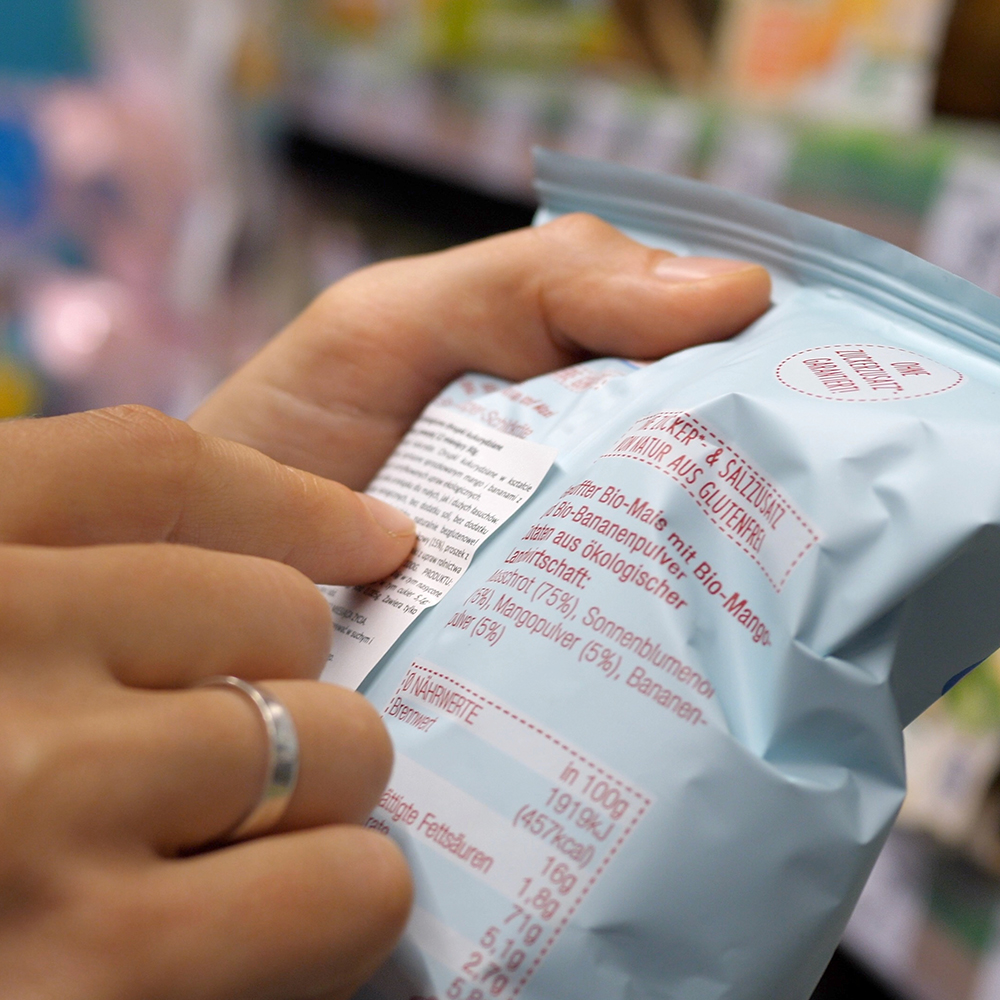
To help strike the right balance, it is an empowering skill to identify the 'good' and the 'less good' on food labels. Giving you the ability to make informed food choices and take back control of your diet! This is where being able to read food labels comes in really handy. Using the traffic light system on food labels is a good visual tool for identifying whether a food is high (red), medium (amber), or low (green) in fat, saturated fat, sugar, and salt. If a product has multiple red lights, it is generally something to have less often, for example.
Reading ingredient lists
When trying to identify foods to eat less of, start by checking the ingredients list rather than focusing only on the calories. As a general rule, products that have a very extensive ingredient list are more likely to be UPFs. Another consideration (though not a perfect rule) is whether you could realistically make the product from scratch at home. If your answer is no, it is likely the product contains more of the less beneficial ingredients.
Other things to look out for on ingredients:
Added sugars
- Glucose syrup
- High fructose corn syrup (sometimes called maize syrup)
- Dextrose
- Maltose
- Any other sugar products ending in 'ose'.
Additives
- Emulsifiers
- Stabilisers
- Flavour enhancers
- Artificial sweeteners
- Colours
- Preservatives
Refined ingredients
- Modified starch
- Hydrogenated oils
- Protein isolates
While the presence of the ingredients doesn’t mean a hard ‘no’ on eating these foods, it’s about being mindful of balance. These foods are OK when eaten alongside plenty of whole foods, such as fruits, vegetables, pulses, lean protein, and fibre-rich options.
Food swap suggestions
| Food to limit | Healthier swap | Example product | Reason for swap |
|---|---|---|---|
| Regular crisps | Baked or popped chips | Walkers Cheese & Onion > Walkers Baked | Lower fat because they are baked or popped |
| Sugary breakfast cereal | Whole grain cereals | Kellog’s Frosties > Shredded Wheat | Lower in sugar & higher in fibre |
| Chocolate snack bars | Fruit & nut lighter bars | Mars Bar > Caramel Alpen Light Bar | Normally lower in sugar |
| Ice cream | Lower-sugar or lower-calorie ice cream | Ben & Jerry's > Halo Top ice cream | Lower in sugar |
| Sugary yogurt desserts | High-protein plain yogurt or Greek yogurt | Müller Corner > Fage Yogurt & fruit with honey | Higher in protein and lower in sugar |
| Sweet pastries | Wholegrain breakfast options | Chocolate croissants > Wholegrain toast & peanut butter | More fibre & less added sugar |
| Processed meat snacks | Oven-cooked meat, cheese snack options | Pepperami > Babybell | Lower in salt |
| Cream-based soups | Vegetable or lentil soups | Heinz Cream of Chicken > Heinz Vegetable Soup | Lower in fat & higher in fibre |
| Sugary drinks | Low-sugar or no-sugar drinks | Coca-Cola > Diet Coke | Little or no added sugar |
| Chocolate cereal bars | Protein or nut bars | Kellogg’s Coco Pops Bars > Eat Natural Bars | Higher in protein & fibre |
Practical tips – what to take away
As you have probably gathered from reading this, reducing ultra-processed foods doesn’t mean you need to completely cut them out of your diet. Small, realistic changes can help you shift towards more whole or minimally processed foods.
Start small and build gradually
Focus on one change at a time. For example, make one meal a day mostly whole foods or upgrade your snacks.

Plan simple meals
Meal planning and cooking at home, where possible, can help you reduce reliance on UPFs. You could also try cooking extra; cooking once and eating twice is an easy way to save time, and also plan ahead.
Combine convenience with whole foods
Add frozen vegetables, tinned beans or lentils to ready meals or sauces to boost their fibre and nutrient content.
Check labels
Look for foods with shorter ingredient lists, fewer red traffic lights and a decent amount of fibre – aim for at least 3g fibre per serving where possible. Plus, choose lower sugar options where you can.
Shop smart
Try shopping in the perimeter of the supermarket, where fresh foods are often located.
Focus on progress, not perfection
Improving your diet is about small, consistent changes over time, not achieving a perfect diet overnight.
What actually matters for weight loss
- Your overall calorie intake over time
- How filling and satisfying your meals are (e.g. protein and fibre)
- Building a way of eating you can stick to
While UPFs can make it harder to meet these requirements, they’re just one piece of a much bigger picture. They’re not something to be afraid of or to avoid completely, but something to be aware of. Choosing whole foods and cooking at home can help us get a good range of nutrients, feel fuller, and stick to calorie targets more easily.